File formats, made simple
Guides, comparisons and how-tos about file formats and conversion — in plain language, with no fluff and real takeaways.
 Format Basics
What Is PSD? The Layered Photoshop Format
What is the PSD (Photoshop Document) format: why it is a layered project rather than a picture, how it differs from PNG and JPG, and how to open a…
 Format Basics
What Is RAW? A Photographer's Digital Negative, Explained
What is RAW in plain English: why it's a digital negative, how it differs from JPEG, how a camera records 12–14 bits of sensor data, and what a pho…
 Format Basics
What Is SVG? The Vector Format That Never Loses Quality at Any Size
What is SVG: an XML-based vector format that describes a picture with math instead of pixels, so it stays sharp at any size. A plain-English guide…
 Format Basics
What Is TIFF? The Lossless Format for Print and Archiving
What is the TIFF format: why a lossless raster format exists, how it stores up to 16-bit color and CMYK, why it became the standard for print and a…
 Format Basics
What Is WebP? Google's Image Format That Speeds Up the Web
What is WebP: Google's image format that is 25–34% smaller than JPEG and 26% smaller than PNG. A plain-English guide to its two compression modes,…
 Use cases
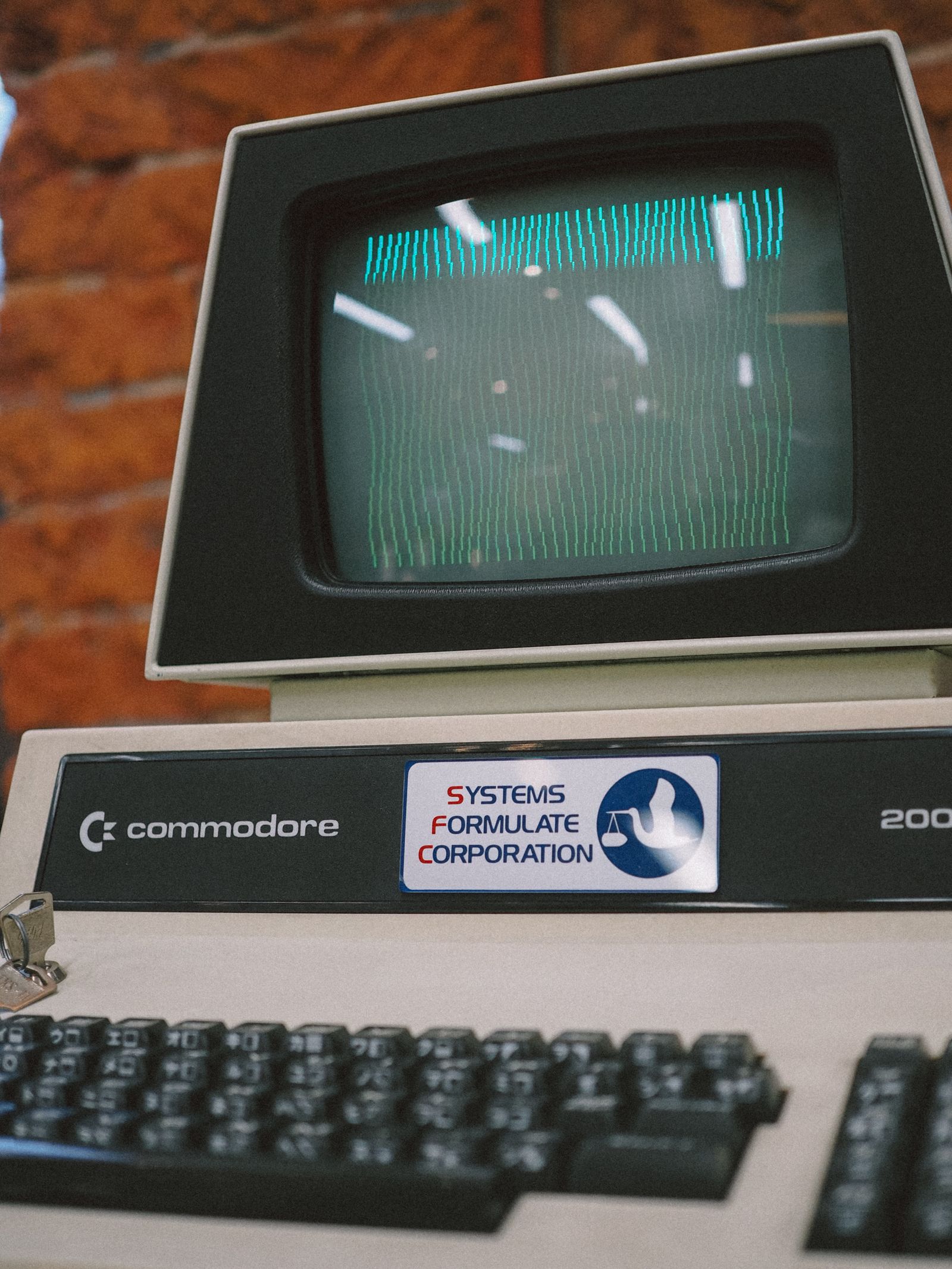
Where BMP Is Still Used in 2026
Where BMP is still used in 2026: embedded systems, medicine, Windows icons, industrial equipment and legacy software. Why the uncompressed format n…
 Tech
TechWhy BMP Is So Large: How the File Is Built Inside
Why BMP is so large: we dissect the file byte by byte, do the size math on a 24-bit image, and explain why an uncompressed format takes up many tim…